
Hernia Treatment & Repair in Delhi
State-of-the-art surgical solutions for abdominal wall defects and hernias
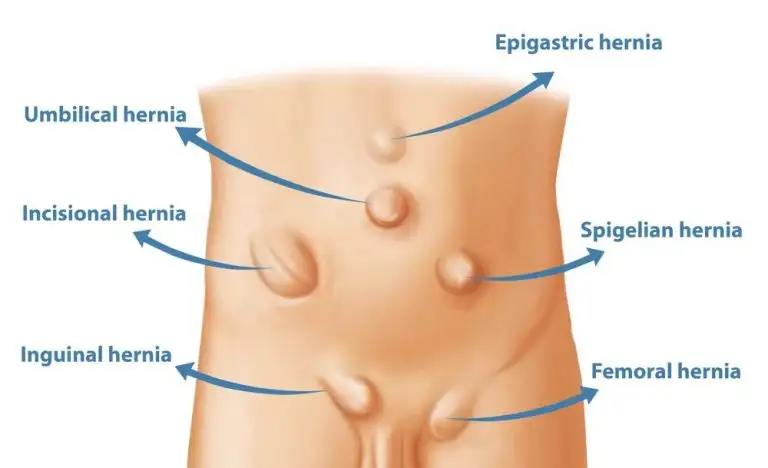
Comprehensive Hernia Repair Solutions
At BLK-MAX Hospital, our board-certified surgeons specialize in advanced hernia repair techniques for all types of abdominal wall defects. Using the latest minimally invasive technologies including robotic-assisted surgery, we provide personalized treatment plans that ensure optimal outcomes, minimal discomfort, and rapid recovery for our patients.
Understanding Hernias
A hernia occurs when an organ or fatty tissue squeezes through a weak spot in a surrounding muscle or connective tissue. Hernias can develop in various parts of the body, with abdominal hernias being the most common. While some hernias cause no symptoms, others can lead to pain, discomfort, and serious complications if left untreated.
Hernias typically result from a combination of muscle weakness and strain. Weakness may be present at birth or develop over time due to aging, injury, or surgical incisions. Strain from heavy lifting, persistent coughing, obesity, or pregnancy can trigger hernia development.
Early surgical intervention is crucial as hernias do not heal on their own and tend to enlarge over time. Delayed treatment increases the risk of complications including strangulation, where blood supply to the herniated tissue is cut off - a medical emergency requiring immediate surgery.
Common Risk Factors
Muscle Weakness:
Aging, congenital defects, previous surgery, pregnancy
Increased Abdominal Pressure:
Heavy lifting, chronic cough, constipation, obesity, pregnancy
Lifestyle Factors:
Smoking (causes chronic cough), poor nutrition, strenuous activity
Medical Conditions:
Chronic obstructive pulmonary disease (COPD), prostatism, ascites
Types of Hernias We Treat
Comprehensive surgical expertise for all hernia types
Inguinal Hernia
Most common type (75%), occurs in groin area, more common in men
Umbilical Hernia
Around belly button, common in infants and adults with abdominal strain
Incisional Hernia
Through previous surgical scar, develops months or years after surgery
Hiatal Hernia
Stomach pushes through diaphragm, causes acid reflux and heartburn
Femoral Hernia
Below inguinal ligament, more common in women, high strangulation risk
Sports Hernia
Athletic pubalgia, soft tissue injury in groin area affecting athletes
Recurrent Hernia
Hernia that returns after previous repair, requires specialized approach
Ventral Hernia
Any hernia through anterior abdominal wall excluding groin
Hernia Repair Surgery: Step-by-Step Process
Comprehensive Evaluation
Physical examination, imaging studies, and preoperative optimization
- Physical exam
- Ultrasound/CT scan
- Risk assessment
Surgical Approach Selection
Choosing between open, laparoscopic, or robotic-assisted repair
- Open surgery
- Laparoscopic
- Robotic-assisted
Hernia Reduction
Gentle return of herniated contents to abdominal cavity
- Content reduction
- Adhesiolysis
- Sac management
Mesh Placement
Reinforcement with synthetic or biologic mesh for durable repair
- Mesh selection
- Proper fixation
- Overlap technique
Defect Closure
Reconstruction of abdominal wall with tension-free technique
- Tissue approximation
- Tension-free repair
- Layered closure
Wound Closure
Careful closure of surgical incisions with attention to cosmesis
- Subcutaneous closure
- Skin closure
- Dressing application
Postoperative Management
Immediate postoperative care and pain management
- Pain control
- Early mobilization
- Diet advancement
Discharge & Recovery Planning
Comprehensive discharge instructions and follow-up care
- Activity guidelines
- Wound care instructions
- Follow-up schedule
Surgical Techniques Comparison
| Treatment Aspect | Open Hernia Repair | Laparoscopic Repair | Robotic-Assisted Repair |
|---|---|---|---|
| Incision Size | 3-6 inches | 3-5 small incisions | 4-6 tiny incisions |
| Hospital Stay | 1-3 days | Same day/1 day | Same day/1 day |
| Recovery Time | 4-6 weeks | 1-2 weeks | 1-2 weeks |
| Pain Level | Moderate-high | Mild-moderate | Mild |
| Recurrence Rate | 5-10% | 2-4% | 1-3% |
| Return to Work | 4-6 weeks | 1-2 weeks | 1-2 weeks |
| Scarring | Noticeable scar | Minimal scarring | Minimal scarring |
| Best For | Large/complex hernias, emergency cases | Bilateral hernias, recurrent hernias | Complex anatomy, precision needed |
Recovery After Hernia Surgery
Recovery from hernia surgery varies depending on the surgical approach, but most patients experience significant improvement within the first week and complete recovery within 4-6 weeks for open surgery or 1-2 weeks for minimally invasive procedures.
Recovery Timeline:
-
First 24-48 Hours: Rest, pain management, light walking, clear liquids to soft diet
-
Days 3-7: Gradual increase in activity, showering, office work from home
-
Week 2: Driving, light household tasks, return to sedentary work
-
Weeks 3-6: Exercise resumption, heavy lifting permitted, complete recovery
Postoperative Care Instructions
Activity Restrictions
No heavy lifting (more than 10 pounds) for 4-6 weeks
Wound Care
Keep incisions clean and dry, shower after 48 hours
Warning Signs
Fever, increasing pain, redness, swelling, drainage, nausea/vomiting
Important: Follow your surgeon's specific instructions for activity restrictions, wound care, and medication. Proper postoperative care significantly reduces the risk of complications and recurrence.
Advanced Hernia Repair Technologies
State-of-the-art equipment and techniques for optimal outcomes
Robotic Surgery
Da Vinci Surgical System for enhanced precision and visualization
- 3D HD visualization
- Enhanced dexterity
- Reduced surgeon tremor
Advanced Mesh Technology
Next-generation hernia mesh materials for durable repair
- Lightweight polypropylene
- Biologic meshes
- Absorbable barriers
Enhanced Recovery Protocol
Multimodal approach to minimize pain and accelerate recovery
- Preemptive analgesia
- Early mobilization
- Multimodal pain control
Success Rates and Patient Outcomes
Surgical Success
Primary hernia repair success with mesh reinforcement
Patient Satisfaction
High satisfaction with pain relief and quality of life improvement
Recurrence Rate
Low recurrence with modern mesh repair techniques
Complication Rate
Minimal complications with experienced surgical teams
Factors Influencing Surgical Outcomes
High-volume hernia surgeons achieve superior results
Mesh use significantly decreases recurrence rates
Laparoscopic/robotic approaches accelerate recovery
Following postoperative instructions crucial for success
Comprehensive Hernia Center at BLK-MAX Hospital
Our dedicated hernia center brings together a multidisciplinary team of surgeons, anesthesiologists, and specialized nurses to provide comprehensive care for all types of hernias. We offer personalized treatment plans, advanced surgical techniques, and comprehensive support throughout your recovery journey.
Expert Surgical Team
Board-certified surgeons with specialized hernia repair expertise
Personalized Approach
Customized treatment plans based on hernia type and patient factors
Continuity of Care
Comprehensive follow-up from diagnosis through full recovery
Schedule Your Hernia Consultation Today
Don't let a hernia affect your quality of life. Contact BLK-MAX Hospital to schedule a comprehensive evaluation with our hernia specialists. We offer same-day appointments and will develop a personalized treatment plan to address your specific needs.
Note: Hernia repair surgery is typically covered by most insurance plans. Our team will assist with insurance verification and prior authorization.