
interstitial-cystitis-bladder-pain-syndrome-delhi
Advanced Diagnosis & Multimodal Treatment for Chronic Bladder Pain
Comprehensive IC/BPS Management
At BLK-MAX Hospital, our specialized urology and pain management team provides expert diagnosis and multimodal treatment for Interstitial Cystitis/Bladder Pain Syndrome (IC/BPS). We understand the complex nature of this chronic condition and offer personalized care plans combining medical, behavioral, and interventional approaches to improve quality of life.
Understanding Interstitial Cystitis
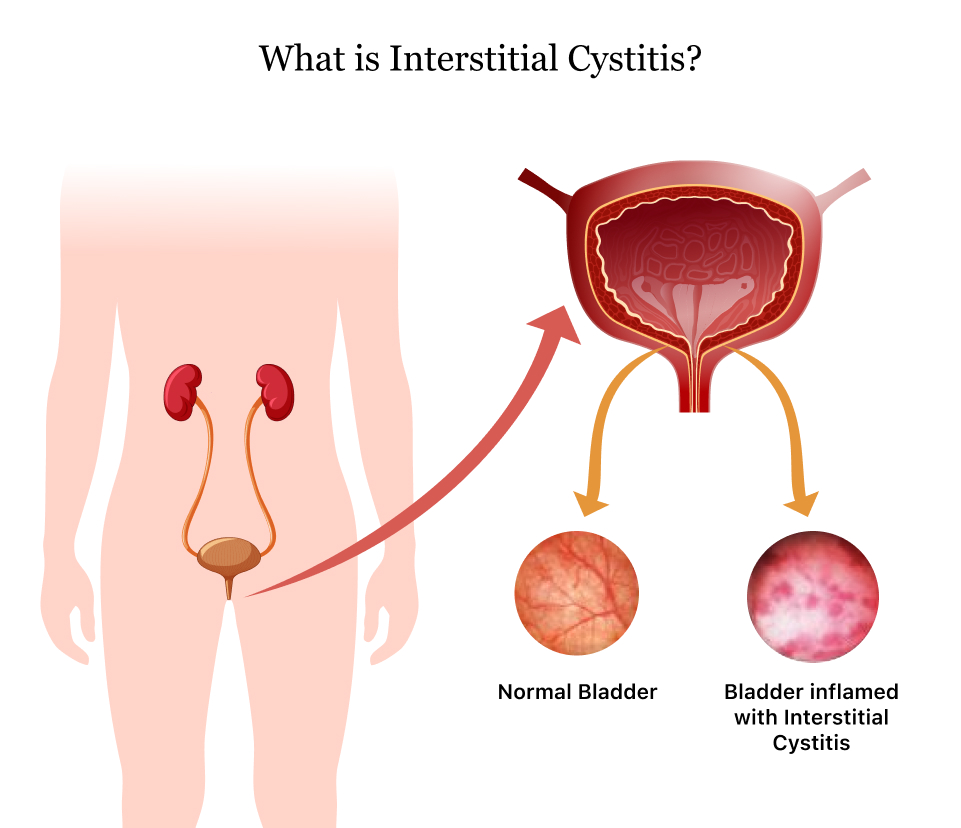
Interstitial Cystitis/Bladder Pain Syndrome (IC/BPS) is a chronic condition characterized by bladder pressure, bladder pain, and sometimes pelvic pain, ranging from mild discomfort to severe pain. The condition is part of a spectrum of urological chronic pelvic pain syndromes and often coexists with other chronic pain conditions.
Unlike common urinary tract infections, IC/BPS is not caused by bacteria and doesn't respond to conventional antibiotic therapy. The exact cause remains unknown, but current theories suggest defects in the bladder lining, autoimmune responses, neurogenic inflammation, or mast cell activation. Diagnosis is primarily clinical, based on symptoms and exclusion of other conditions.
IC/BPS affects approximately 3-8 million women and 1-4 million men in the United States, though it's likely underdiagnosed. The condition significantly impacts quality of life, affecting work, sleep, sexual function, and daily activities. Our comprehensive approach addresses both bladder-specific symptoms and systemic aspects of chronic pain.
IC/BPS Subtypes and Characteristics
Ulcerative (Classic) IC:
Hunner's lesions visible on cystoscopy, more severe symptoms, responds well to targeted treatment
Non-ulcerative IC:
No visible lesions, more common subtype, variable symptom severity, may be associated with systemic conditions
Primary IC/BPS:
No identifiable precipitating event, often more challenging to treat, may have genetic components
Secondary IC/BPS:
Following identifiable event (surgery, infection, trauma), may have better response to specific interventions
Symptoms and Diagnostic Evaluation
Recognizing IC/BPS symptoms and comprehensive diagnostic approach
Bladder/Pelvic Pain
Chronic pain, pressure, discomfort in bladder region, often worse with filling
Urinary Urgency/Frequency
Daytime frequency greater than 8x, nocturia greater than 2x, strong sudden urge to urinate
Painful Bladder Filling
Discomfort increases as bladder fills, relief after voiding (not always complete)
Associated Conditions
Fibromyalgia, IBS, vulvodynia, chronic fatigue, migraines, allergies
Symptom Questionnaires
O'Leary-Sant, Pelvic Pain & Urgency/Frequency (PUF) questionnaires
Cystoscopy with Hydrodistension
Diagnostic and potentially therapeutic, identifies Hunner's lesions
Potassium Sensitivity Test
Assesses bladder epithelial permeability, though less commonly used now
Comprehensive Evaluation
Urinalysis/culture, urine cytology, urodynamics, pelvic floor assessment
Stepwise Treatment Approach (AUA Guidelines)
First Line Treatments
Patient education, stress management, self-care practices, dietary modifications
- Dietary changes
- Bladder training
- Stress reduction
Second Line Treatments
Oral medications, physical therapy, pain management strategies
- Amitriptyline
- Cimetidine
- Pentosan polysulfate
Third Line Treatments
Cystoscopy with hydrodistension, intravesical instillations
- DMSO instillations
- Heparin/lidocaine
- BCG therapy
Fourth Line Treatments
Neuromodulation, cyclosporine A, botulinum toxin A injections
- Sacral neuromodulation
- PTNS
- Botulinum toxin
Fifth Line Treatments
Surgical interventions for refractory cases
- Fulguration of lesions
- Resection of lesions
- Laser ablation
Sixth Line Treatments
Major reconstructive surgery, urinary diversion
- Substitution cystoplasty
- Urinary diversion
- Cystectomy
Multidisciplinary Care
Integrative approaches, psychological support, pain management
- Pain psychology
- Pelvic floor PT
- Integrative medicine
Ongoing Management
Regular follow-up, symptom monitoring, treatment adjustments
- Symptom diaries
- Quality of life assessment
- Treatment optimization
Specialized Treatment Modalities
Oral Medications
Targeted pharmacotherapy addressing different IC/BPS mechanisms
- Pentosan polysulfate sodium
- Amitriptyline (tricyclic antidepressant)
- Antihistamines (hydroxyzine, cimetidine)
Intravesical Therapies
Direct bladder instillations for localized treatment effect
- DMSO (dimethyl sulfoxide)
- Heparin/lidocaine/bicarbonate cocktail
- BCG (Bacillus Calmette-Guérin)
Neuromodulation
Modulating neural pathways involved in bladder sensation and pain
- Sacral neuromodulation (InterStim)
- Percutaneous tibial nerve stimulation
- Transcutaneous electrical nerve stimulation
Treatment Options Comparison
| Treatment Aspect | Conservative Management | Medical Therapy | Procedural/Surgical |
|---|---|---|---|
| Primary Approach | Lifestyle/dietary | Oral/intravesical medications | Procedural interventions |
| Symptom Improvement | 20-40% | 40-70% | 50-90% (varies by procedure) |
| Time to Effect | Weeks to months | Weeks to 3-6 months | Days to weeks (some immediate) |
| Risk Profile | Minimal | Low to moderate | Moderate to high |
| Cost Effectiveness | High | Moderate | Variable |
| Patient Compliance | Variable | Moderate to good | Procedure-dependent |
| Best For | Mild symptoms, initial management | Moderate symptoms, lifestyle-resistant | Severe/refractory symptoms, Hunner's lesions |
Diet and Lifestyle Management
Dietary modifications are fundamental in IC/BPS management. While triggers vary individually, common irritants include acidic foods, caffeine, alcohol, artificial sweeteners, and spicy foods. We provide personalized dietary guidance and elimination protocols.
Key Dietary Strategies:
-
Elimination Diet: Remove common triggers for 2-4 weeks, then systematic reintroduction
-
IC-Friendly Foods: Most vegetables, grains, poultry, some fruits (blueberries, pears)
-
Hydration: Adequate water intake with neutral pH water, avoiding bladder irritants
-
Supplementation: Prelief (calcium glycerophosphate), aloe vera, marshmallow root
Behavioral and Physical Therapies
Bladder Training
Gradual increase in voiding intervals, urge suppression techniques
Pelvic Floor Physical Therapy
Manual therapy, myofascial release, trigger point therapy, relaxation techniques
Stress Management
Mindfulness, meditation, cognitive behavioral therapy, biofeedback
Note: Most patients require a combination of approaches. Response to treatment varies significantly, and patience is essential as some therapies require weeks to months for full effect.
Advanced and Emerging Therapies
Innovative approaches for refractory interstitial cystitis
Biologic Therapies
Targeting specific immune pathways involved in IC/BPS
- Monoclonal antibodies
- Stem cell therapy
- Growth factor inhibitors
Novel Pharmacological
New drug targets based on IC pathophysiology
- Tanezumab (NGF inhibitor)
- Aprepitant (NK-1 antagonist)
- Suplatast tosilate
Innovative Procedures
Minimally invasive techniques with promising results
- Low-dose radiation therapy
- Hyperbaric oxygen therapy
- Bladder rejuvenation therapies
Success Rates and Patient Outcomes
Symptom Improvement
Significant improvement with multimodal treatment approach
Patient Satisfaction
Improved quality of life with comprehensive management
Remission Rate
Achieve significant symptom remission with proper treatment
Treatment Response
Some degree of improvement with appropriate therapy
Factors Affecting Treatment Outcomes
Earlier intervention leads to better long-term outcomes
Integrated approach significantly enhances results
Consistent treatment compliance crucial for success
Ulcerative type often responds better to specific treatments
Comprehensive IC/BPS Care at BLK-MAX Hospital
Our specialized IC/BPS clinic offers a comprehensive, patient-centered approach to managing this complex condition. We combine urological expertise with pain management, physical therapy, dietary guidance, and psychological support to address all aspects of interstitial cystitis.
Personalized Treatment Plans
Individualized approach based on symptom pattern, severity, and response
Multidisciplinary Team
Urologists, pain specialists, physical therapists, dietitians, psychologists
Ongoing Support
Regular follow-up, symptom monitoring, and treatment adjustments
Schedule Your IC/BPS Consultation
Contact BLK-MAX Hospital to schedule a comprehensive evaluation with our interstitial cystitis specialists. We provide thorough assessment, discuss all treatment options, and develop a personalized management plan to improve your quality of life.
Note: Interstitial cystitis management is typically covered by most insurance plans. Our team will assist with insurance verification and authorization for diagnostic procedures and treatments.